Planets of the Solar System
About this topic
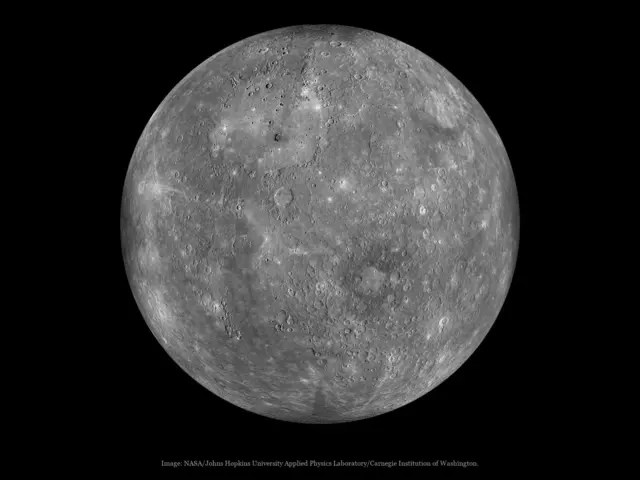
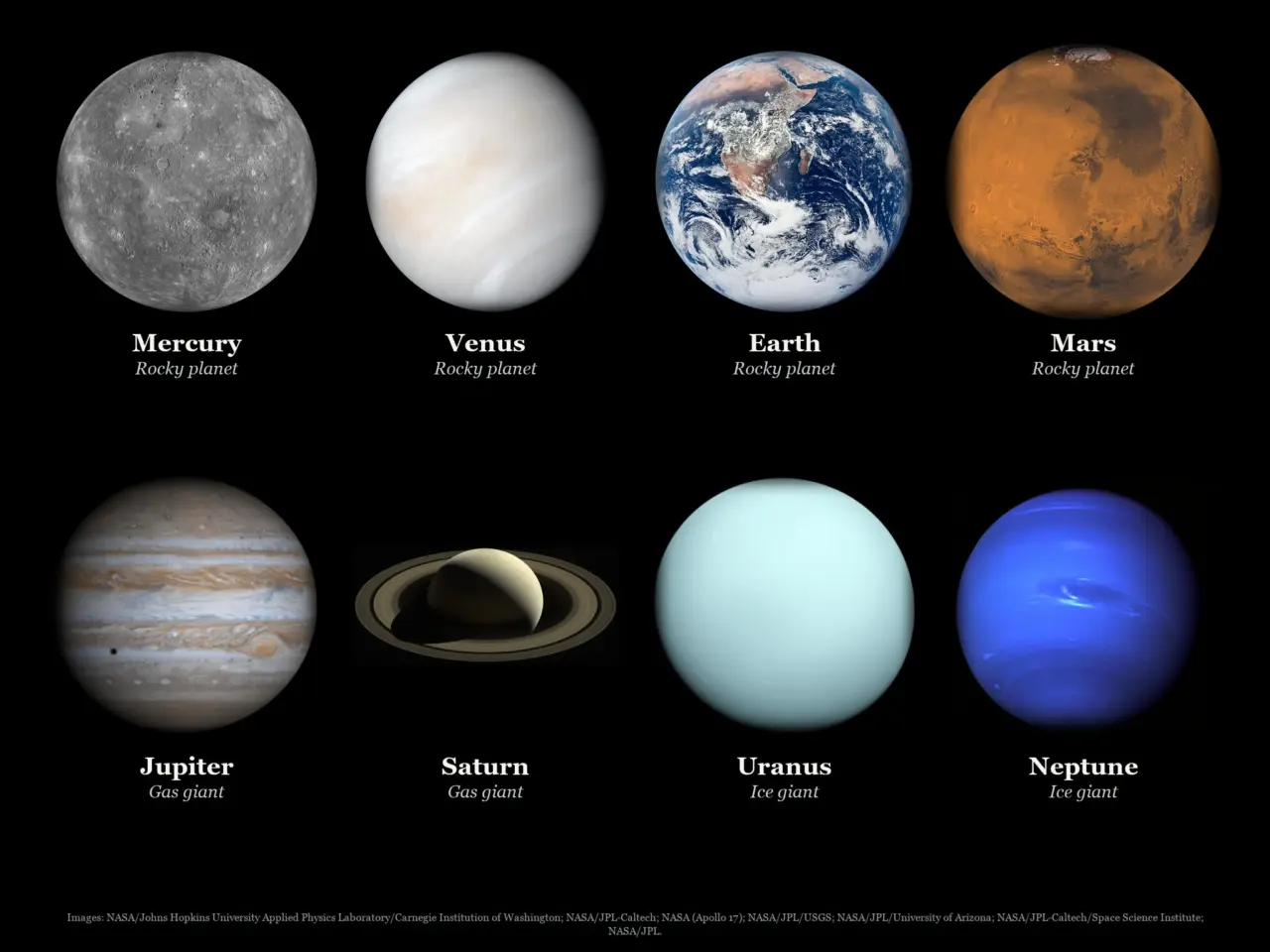
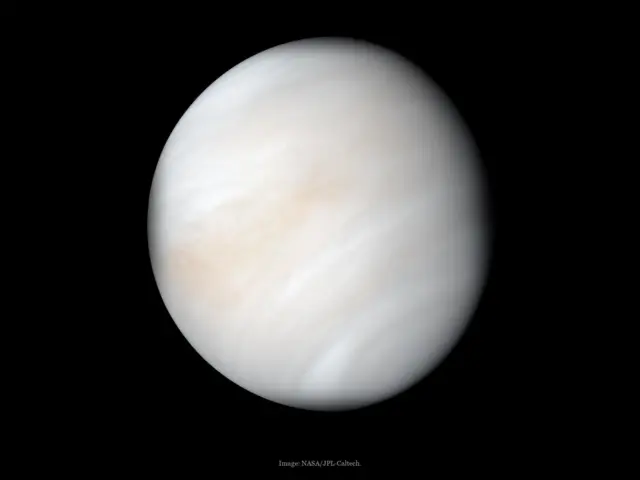
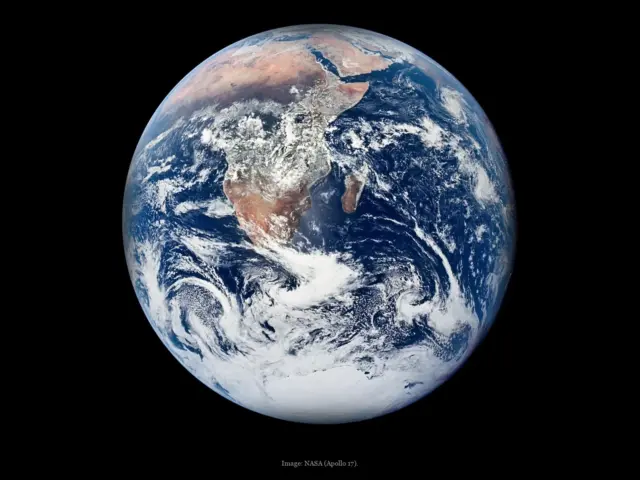
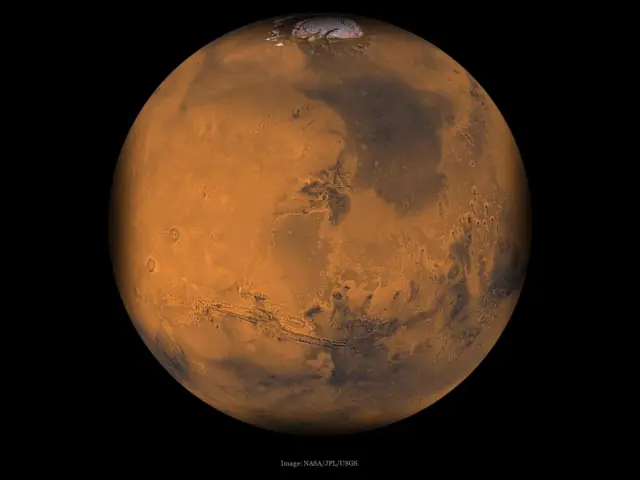
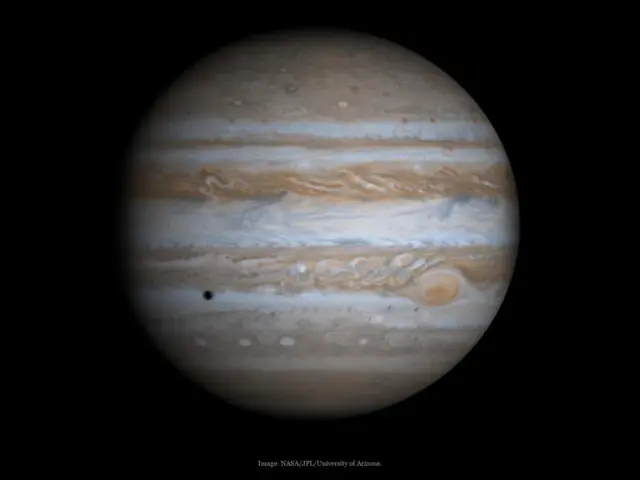
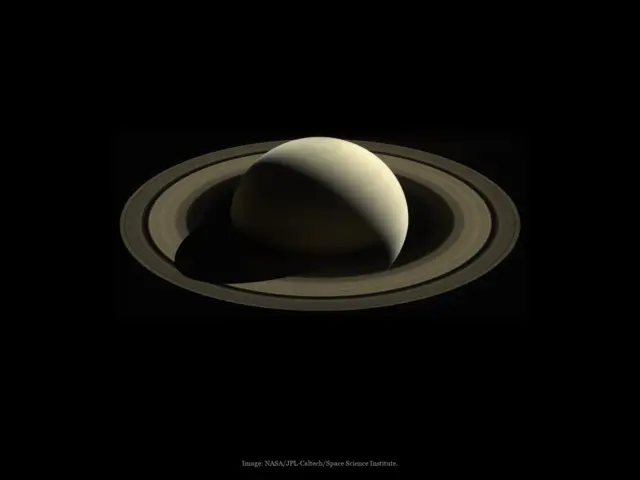
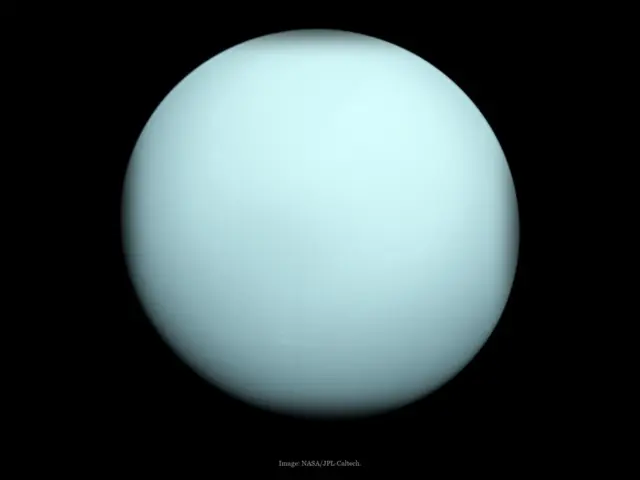
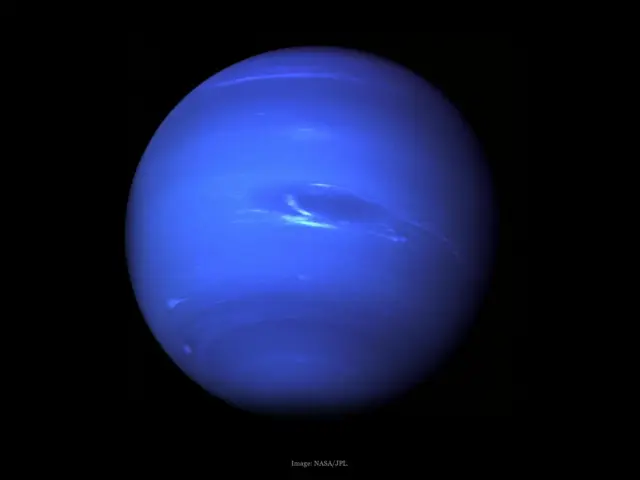
Eight planets orbit the Sun. The four closest, Mercury, Venus, Earth and Mars, are small rocky worlds. Beyond them are two gas giants, Jupiter and Saturn, and two ice giants, Uranus and Neptune. In our collection image the planets are shown at a similar size so you can see them clearly; in reality Jupiter is more than 11 times wider than Earth.
What about Pluto?
Pluto was counted as the ninth planet until 2006, when the International Astronomical Union defined the word planet more strictly. Pluto is now classed as a dwarf planet, one of many small worlds in the Kuiper Belt beyond Neptune.
The planets at a glance
| Planet | Type | Diameter | Average distance from the Sun | One orbit (year) |
|---|---|---|---|---|
| Mercury | Rocky | 4,879 km | 57.9 million km | 88 Earth days |
| Venus | Rocky | 12,104 km | 108.2 million km | 225 Earth days |
| Earth | Rocky | 12,756 km | 149.6 million km | 365 days |
| Mars | Rocky | 6,792 km | 228.0 million km | 687 Earth days |
| Jupiter | Gas giant | 142,984 km | 778.5 million km | About 11.9 Earth years |
| Saturn | Gas giant | 120,536 km | 1,432 million km | About 29.4 Earth years |
| Uranus | Ice giant | 51,118 km | 2,867 million km | About 84 Earth years |
| Neptune | Ice giant | 49,528 km | 4,515 million km | About 164 Earth years |