Moons of the Solar System
About this topic
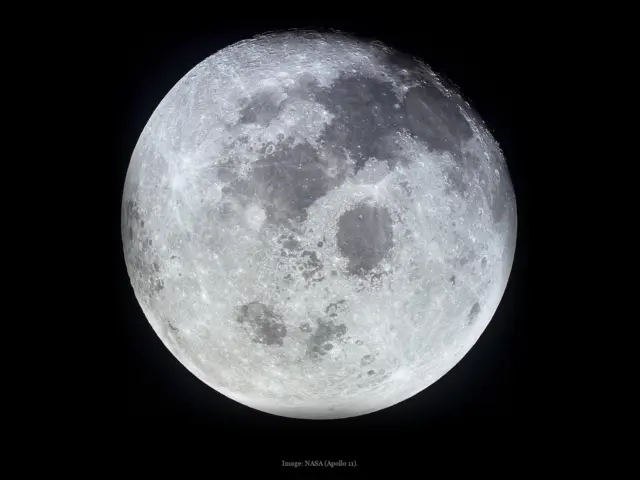
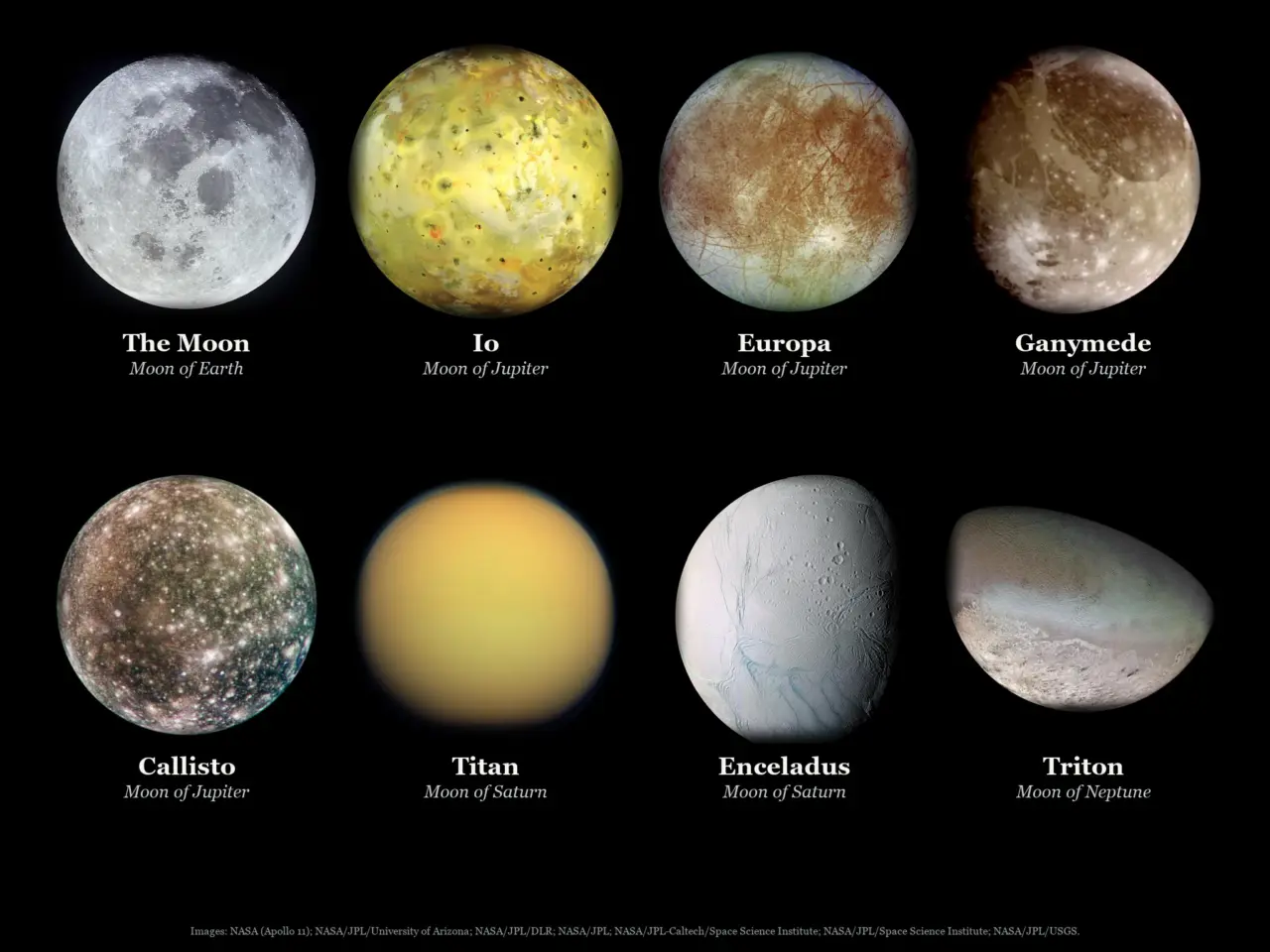
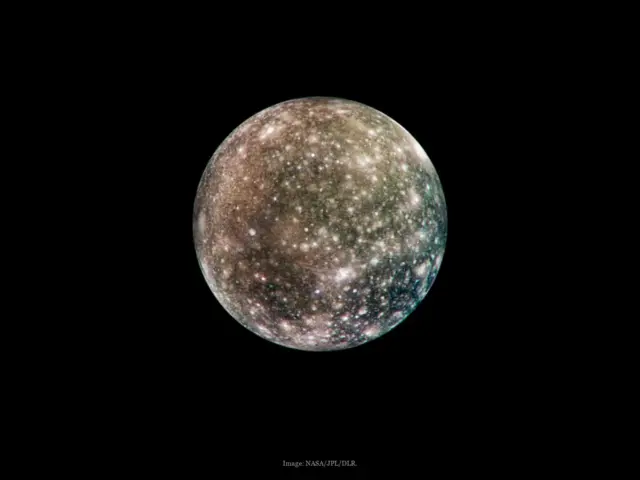
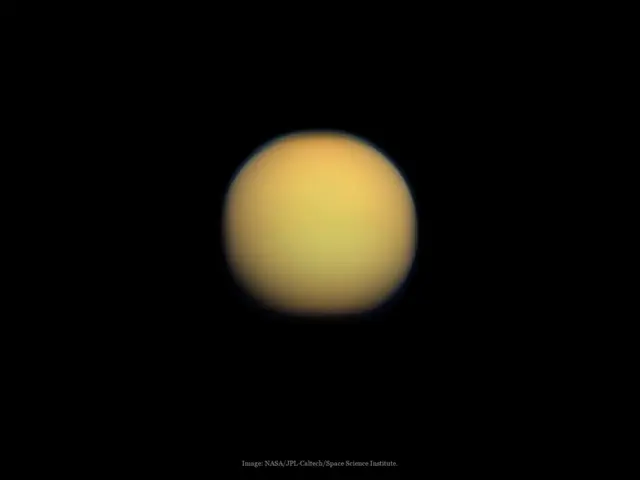
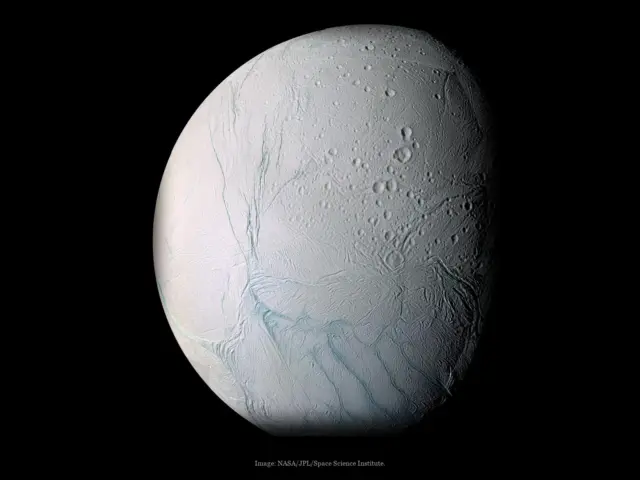
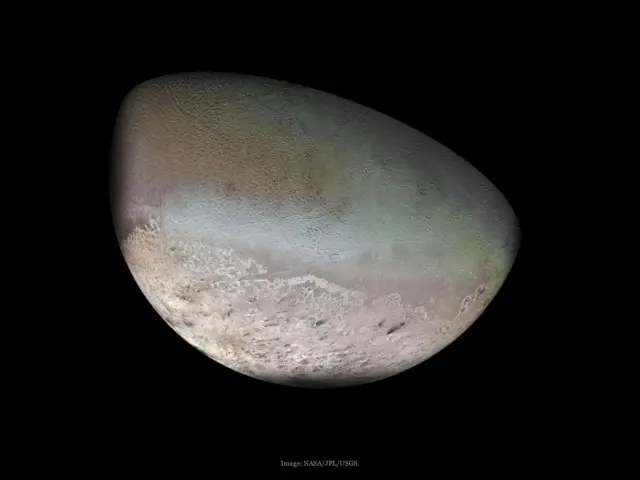
Hundreds of moons orbit the planets of our Solar System. This collection shows a selection of the most remarkable: Earth’s Moon, Jupiter’s four large moons, two moons of Saturn and Neptune’s largest moon. They are shown at a similar size for clarity; in reality Ganymede is about one and a half times as wide as our Moon, and Enceladus is tiny by comparison.
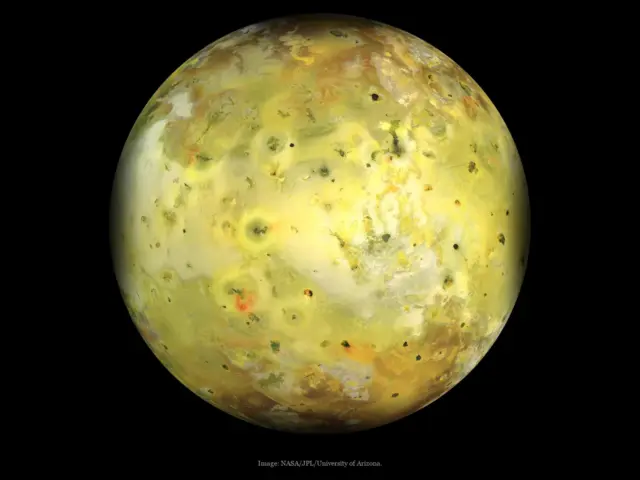
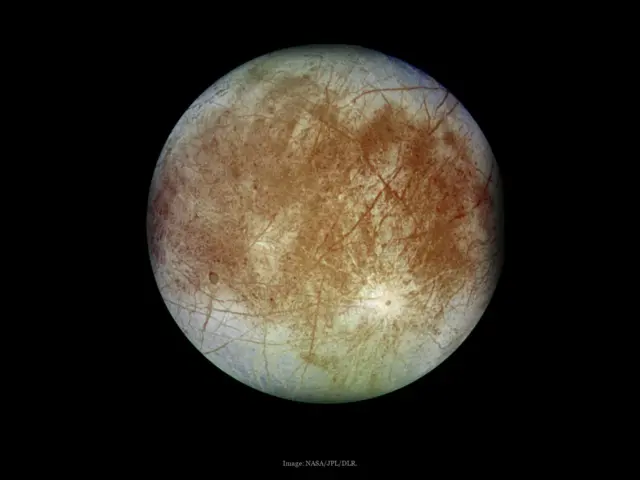
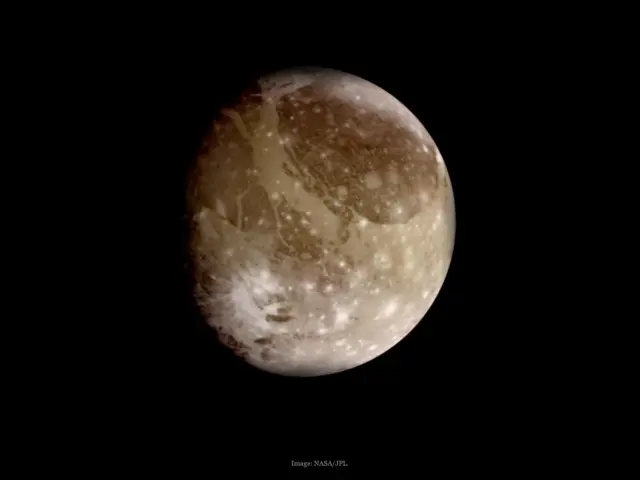
Jupiter’s four large moons, Io, Europa, Ganymede and Callisto, are known as the Galilean moons, after Galileo Galilei, who discovered them in 1610.
The moons at a glance
| Moon | Orbits | Diameter | Notable for |
|---|---|---|---|
| The Moon | Earth | About 3,476 km | The only world beyond Earth that people have walked on |
| Io | Jupiter | About 3,643 km | The most volcanically active world in the Solar System |
| Europa | Jupiter | About 3,122 km | An ocean thought to lie under its ice |
| Ganymede | Jupiter | About 5,262 km | The largest moon in the Solar System |
| Callisto | Jupiter | About 4,821 km | The most heavily cratered object in the Solar System |
| Titan | Saturn | About 5,150 km | A thick atmosphere and lakes of liquid methane |
| Enceladus | Saturn | About 504 km | Jets of icy water spraying from its south pole |
| Triton | Neptune | About 2,707 km | Orbits backwards around its planet |