South China Tiger
Panthera tigris amoyensis
Once widespread across southern China, it has not been confirmed in the wild for decades and survives today in Chinese zoos and breeding centres.
Key facts
- Scientific name
- Panthera tigris amoyensis
- Found in
- Southern China (historically); now only in captivity
- Habitat
- Subtropical forest
- Population
- Fewer than 200, all in Chinese zoos and breeding centres
- Conservation status
- Likely extinct in the wild
About the South China Tiger
How to recognise it
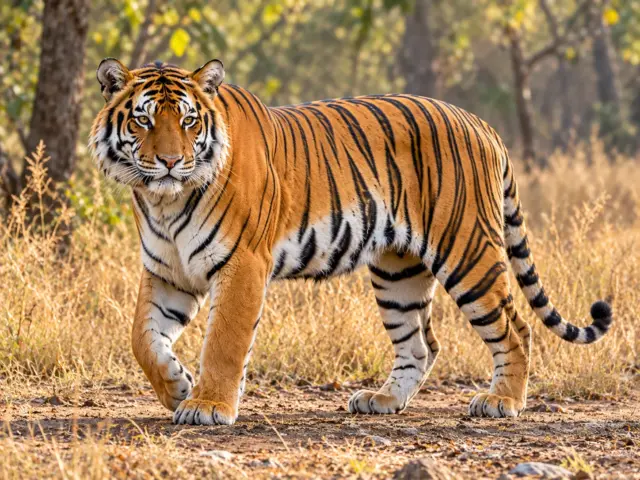
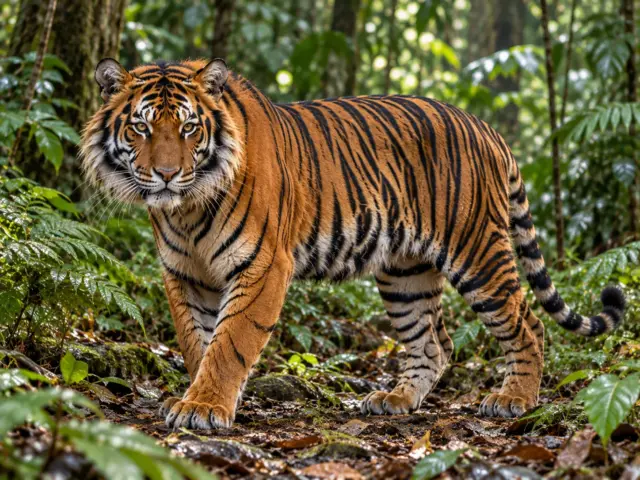
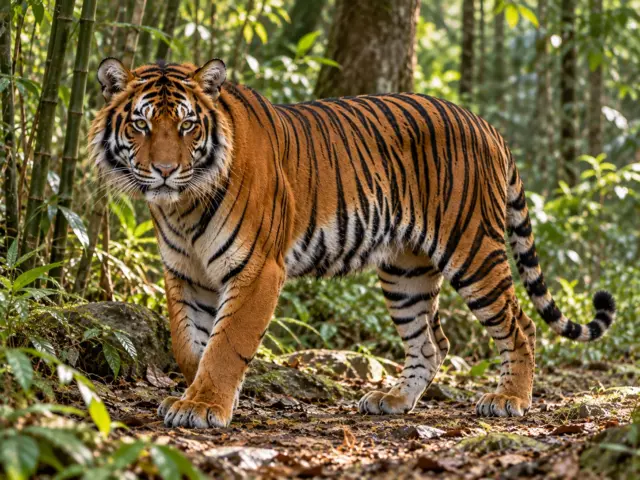
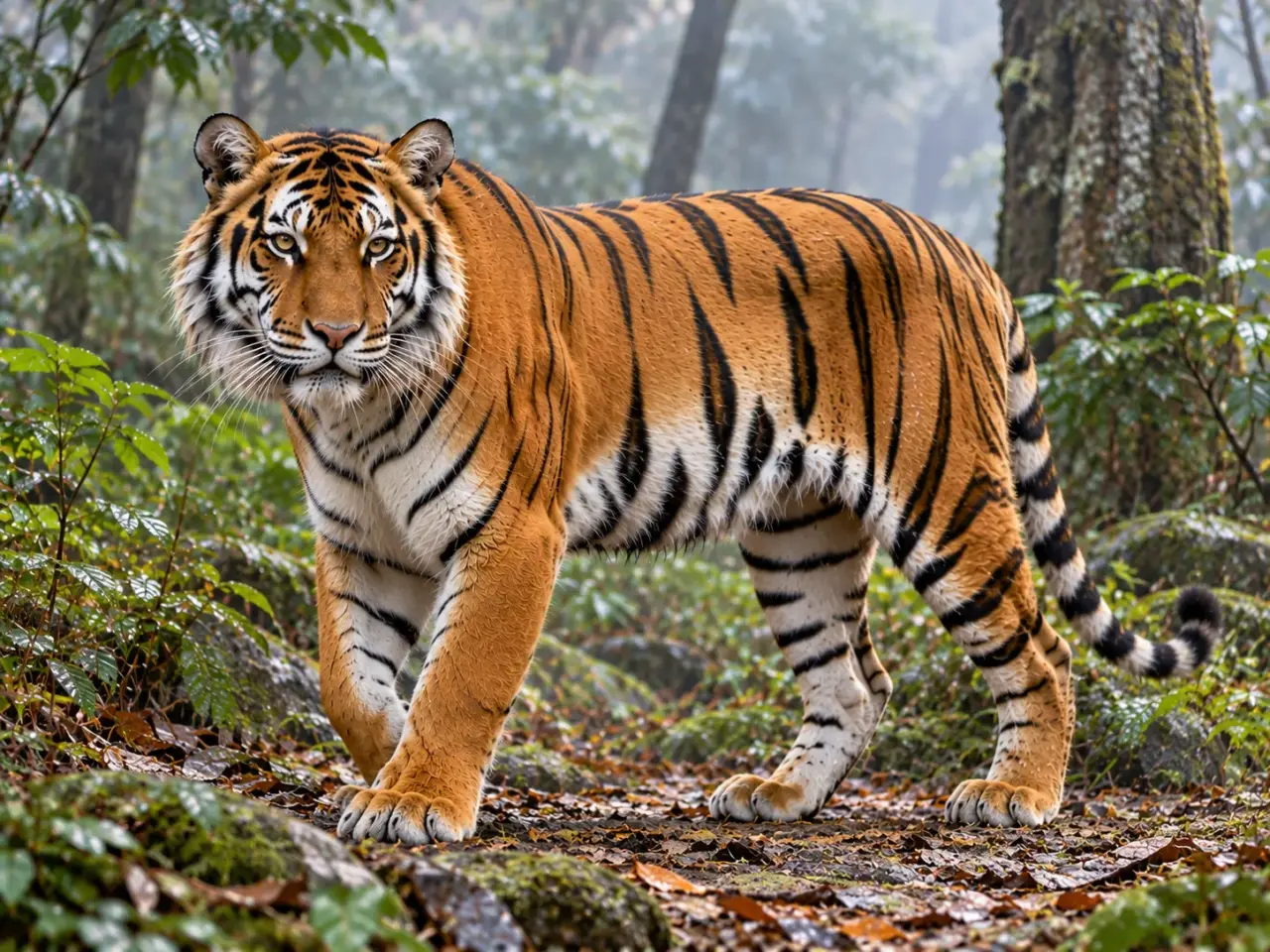
South China tigers are medium-sized, with orange coats and dark stripes. Their stripes are often described as broader and more widely spaced than other tigers’, but the surviving tigers all descend from a few founders, so it is hard to say how typical today’s animals are of the original wild population.
Where it lives
It once lived across the subtropical forests of southern and central China. Large-scale hunting in the twentieth century, when tigers were treated as pests, wiped out most of the population. There have been no confirmed sightings in the wild for decades. Fewer than 200 remain, in zoos and breeding centres in China.
How it differs from other tigers
Genetic studies of the South China tiger have been limited by the small number of samples available, so its exact relationship to other tigers is less certain. Under the newer two-subspecies classification it is part of the mainland tiger.
Status
The IUCN Cat Specialist Group considers it likely to be extinct in the wild. Breeding programmes in China aim to keep the population going, and there are long-term hopes of returning tigers to the wild.
Sources
- IUCN SSC Cat Specialist Group: Tiger
- Natural History Museum (2023): Ghost cat
- Luo et al. (2004): Phylogeography and genetic ancestry of tigers, PLoS Biology
Facts checked: 29 October 2026